None of us likes to think about the day our parents might die, and when we get that call from the aged care facility, the shock can be overwhelming, even for an anticipated death.
The fact is, people die in aged care almost everyday across Australia. Most of them have lived long and full lives. And regardless of how unwell or how old they may have been, it will understandably be a very difficult time for the families when the time comes.
Don’t feel rushed and DO accept support offered by aged care staff. They are experienced in situations like this and will provide initial care for your loved one and can often be some of the best people to turn to.
Caring of the Body in The Residence
Most facilities have procedures for after death care. The staff at the care facility will provide care for the deceased person and support to their family and carers, following a death.
Staff Care after death includes:
• Honouring the spiritual or cultural wishes of the deceased person and their family/carers while ensuring legal obligations are met
• Preparing the body for transfer to the mortuary or the funeral director’s premises
• Offering family and carers present the opportunity to participate in the process and supporting them to do so
• Ensuring that the privacy and dignity of the deceased person is maintained
• Ensuring that the health and safety of everyone who comes into contact with the body is protected
• Honouring people’s wishes for organ and tissue donation
• Returning the deceased person’s personal possessions to their relatives.
Removing The Body From The Residence
Legally, most aged care facilities must remove the body from their premises as soon as possible. This means that you will need to engage the services of a funeral director. Nursing staff should NOT recommend a particular funeral director and should NOT make any agreements or negotiations with them, as this is a matter for the family.
Before choosing a funeral director it is important that you take your time. That’s where eziFunerals can help.
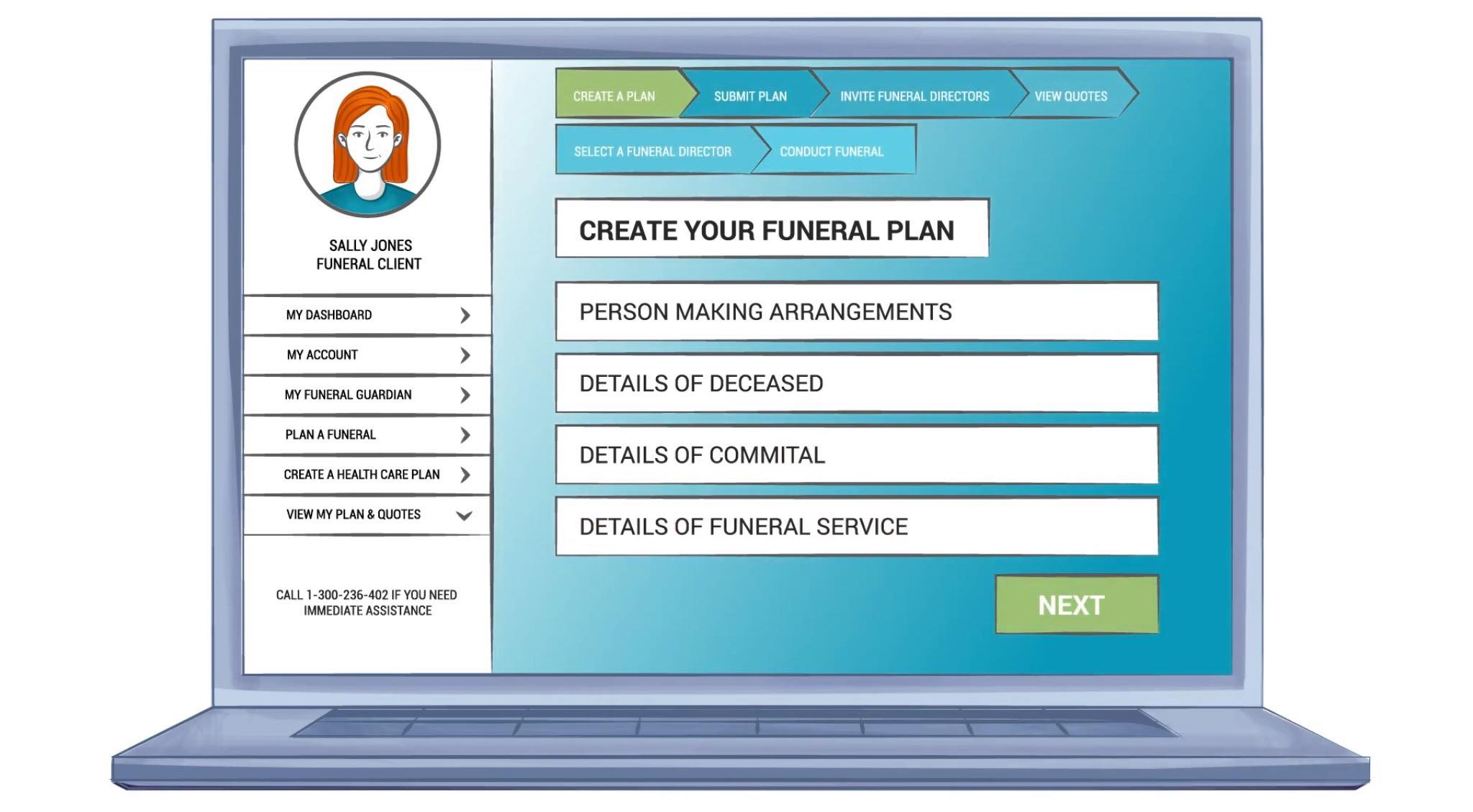
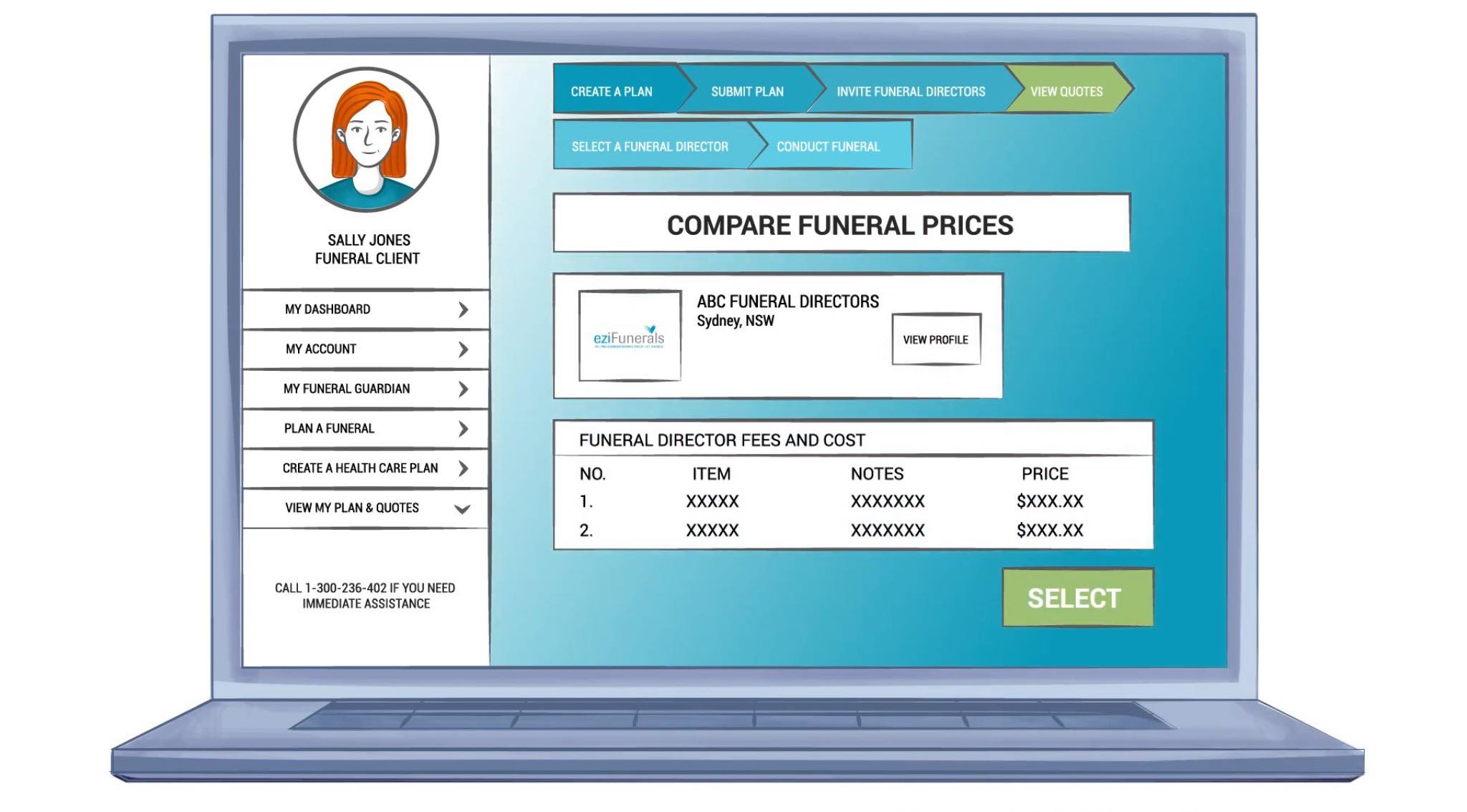
eziFunerals is a FREE online funeral service that simplifies and streamlines the funeral process. We empower consumers Australia wide, including Sydney, Melbourne, Perth, Brisbane, Adelaide, Hobart and Darwin. We’ll help you to organise and document your funeral needs in an easy to read, downloadable PDF format. Your PDF funeral plan can be used to share with your family (pre-need) or get itemised quotes from multiple funeral directors (at-need).
Choosing a Funeral Director
Not all funeral directors are the same. So it pays to do your homework!
Did you know that the majority of local funeral homes in Australia are owned by two corporations, InvoCare Limited (ASX: IVC) and Propel Funeral Partners (ASX:PFP). Between them they currently control over 40% market share nationally (…and growing). The names on signs outside the funeral homes are well known, but revenues and profits from them flow to corporate shareholders, not consumers.
So, if you’re contracting the services of a local funeral director, it’s important you know the company your dealing with before making that first phone call and it helps to know your rights and understand how the industry operates.

Funeral directors must give consumers clear information, developed by the investment manager, about where any prepaid funeral funds will be invested.
Prepaid funeral funds
Within 16 days of receipt of the payment, a funeral director must forward all payments received under a prepaid funeral contract (excluding any fee, charge or GST) to an investment manager.
Investment managers are restricted to:
- a company registered under the Life Insurance Act 1995 (Commonwealth) section 21; or
- a friendly society as defined in the Life Insurance Act 1995 (Commonwealth) section 16C; or
- a licensed trustee company as defined in the Corporations Act 2001 (Commonwealth) section 601RAA ; or
- the Public Trustee as defined in the Public Trustee Act 1941 section 2;
The funeral investment must be designated in the name of the client. The funds are only released after the funeral arranged for the recipient has been carried out, as per the prepaid funeral contract.
Consumer protections
Under the code:
- the funeral director must itemise the cost of each component provided under a prepaid funeral contract as well as the total cost, including GST;
- details of any fees or charges that will or may be charged by the funeral director must be set out in the contract;
- a mandatory cooling-off period of 30 days applies to all prepaid funeral contracts;
- the prepaid funeral contract must detail what happens to payments in situations including:
- bankruptcy or insolvency of the funeral director;
- closure of the business;
- missed or late payments (e.g. where instalments apply);
- the recipient moving away (e.g. relocates interstate);
- the client ending the contract other than under a right in the contract; or
- where the recipient dies before a payment required under the contract is made;
- a funeral director must maintain a register of prepaid funeral contracts sold.
Transition period
The transition period allows funeral directors sufficient time modify business processes in order to comply with the code’s requirements. This may include the requirement to amend standard prepaid funeral contracts, website information or printed documentation (e.g. brochures); and to train employees on the code.

GET A QUOTE
About eziFunerals
eziFunerals supports individuals and families cope with end of life decisions, death and funerals. We are an independent, Australian-owned and operated company. We are not part of any other funeral company.
Our member Funeral Directors operate in Sydney, Melbourne, Brisbane, Perth, Adelaide and Australia wide. Thet are chosen for their knowledge, quality, service, personalisation and experience. They go above and beyond, and will take the time to support the family.
For more information or to make contact with a trusted Independent funeral director, call eziFunerals on 1300 236 402 or visit www.ezifunerals.com.au.